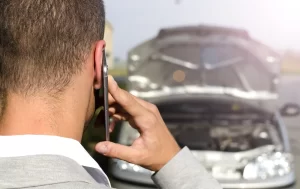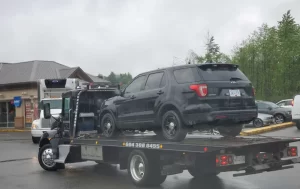
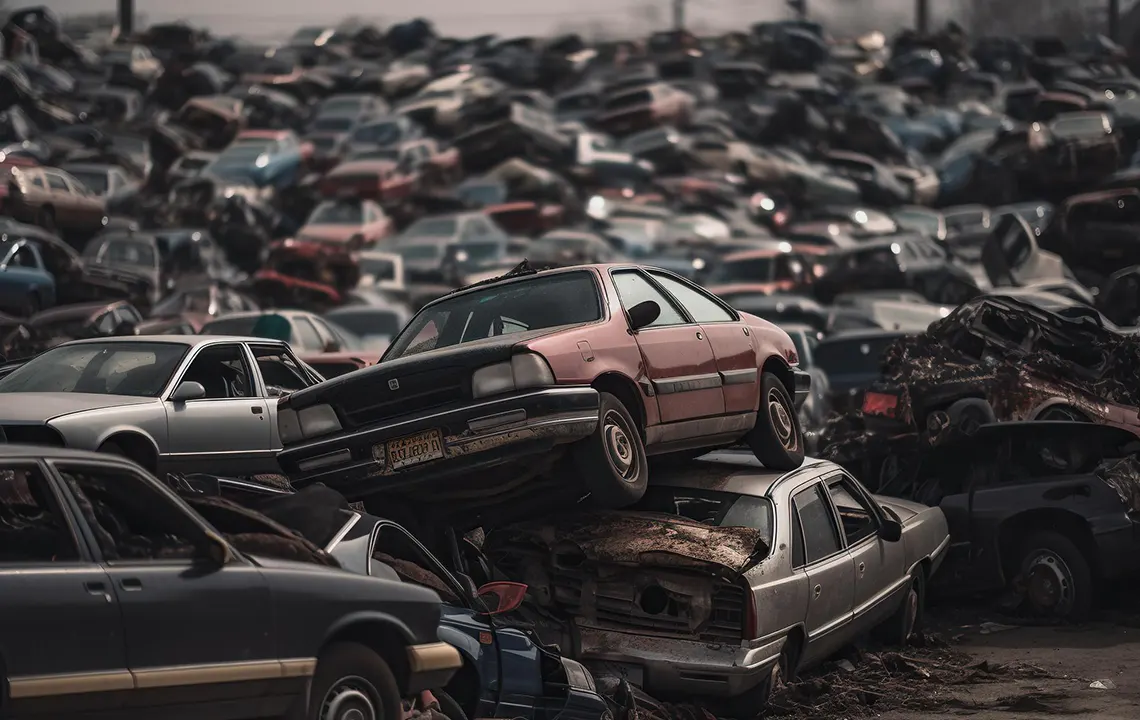
Salvage cars, also known as damaged or written-off vehicles, follow a unique trajectory in Australia’s automotive landscape. From accidents to natural disasters, salvage cars find themselves in various states of disrepair. But what exactly happens to these vehicles once they’re deemed salvage? Let’s delve into the comprehensive journey of salvage cars in Australia.
Understanding the Journey of Salvage Cars in Australia
Assessment and Classification
The journey of a salvage car begins with an assessment to determine the extent of damage. Depending on the severity of the damage, salvage cars are classified into different categories:
- Repairable Write-Offs: These vehicles have sustained damage but are deemed repairable and can be returned to the road after undergoing necessary repairs and passing inspections.
- Statutory Write-Offs: Vehicles classified as statutory write-offs have suffered extensive damage, making them unsuitable for repair or unsafe for road use. However, they may still hold value for spare parts or recycling.
Salvage Auctions
Once classified, salvage cars often find their way to salvage auctions. Salvage auctions provide a platform for damaged vehicles to be sold to buyers who specialize in vehicle repair, spare parts, or recycling. Salvage auctions attract a diverse range of buyers, including mechanics, auto enthusiasts, and salvage yards, seeking to acquire salvage cars for various purposes.
Vehicle Repair and Restoration
For salvage cars classified as repairable write-offs, the journey continues with vehicle repair and restoration. Skilled mechanics and automotive enthusiasts undertake the task of restoring these vehicles to their former glory. Depending on the extent of damage, repairs may include bodywork, mechanical repairs, and replacement of damaged components.
Spare Parts Harvesting
Salvage cars, particularly those classified as statutory write-offs, often serve as a valuable source of spare parts. Salvage yards and auto dismantlers carefully dismantle these vehicles, salvaging parts that are still in good condition. These salvaged parts are then sold to individuals and workshops for use in repairing other vehicles, thereby extending the lifespan of existing vehicles and reducing the demand for new parts.
Read More : The Most Important Car Parts For Your Vehicle
Recycling and Disposal
For salvage cars that are beyond repair or spare parts harvesting, the final destination is recycling and disposal. Salvage yards and recycling facilities carefully dismantle these vehicles, separating materials such as metal, plastic, and glass for recycling. This process helps minimize waste and environmental impact by diverting materials from landfill and promoting resource conservation.
Read More : Cash for cars Hunter
Conclusion: The Lifecycle of Salvage Cars
From assessment to recycling, salvage cars in Australia undergo a comprehensive journey that encompasses repair, restoration, spare parts harvesting, and recycling. Through salvage auctions, vehicle repair, and responsible recycling practices, salvage cars contribute to resource conservation, waste reduction, and sustainable automotive practices. By understanding the lifecycle of salvage cars, we can appreciate the value they hold beyond their initial damage and contribute to a more sustainable automotive industry.
Did you find this article informative? Share it with others to spread awareness about the journey of salvage cars in Australia!