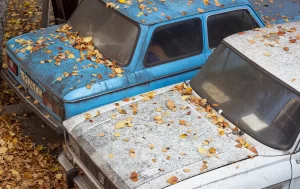
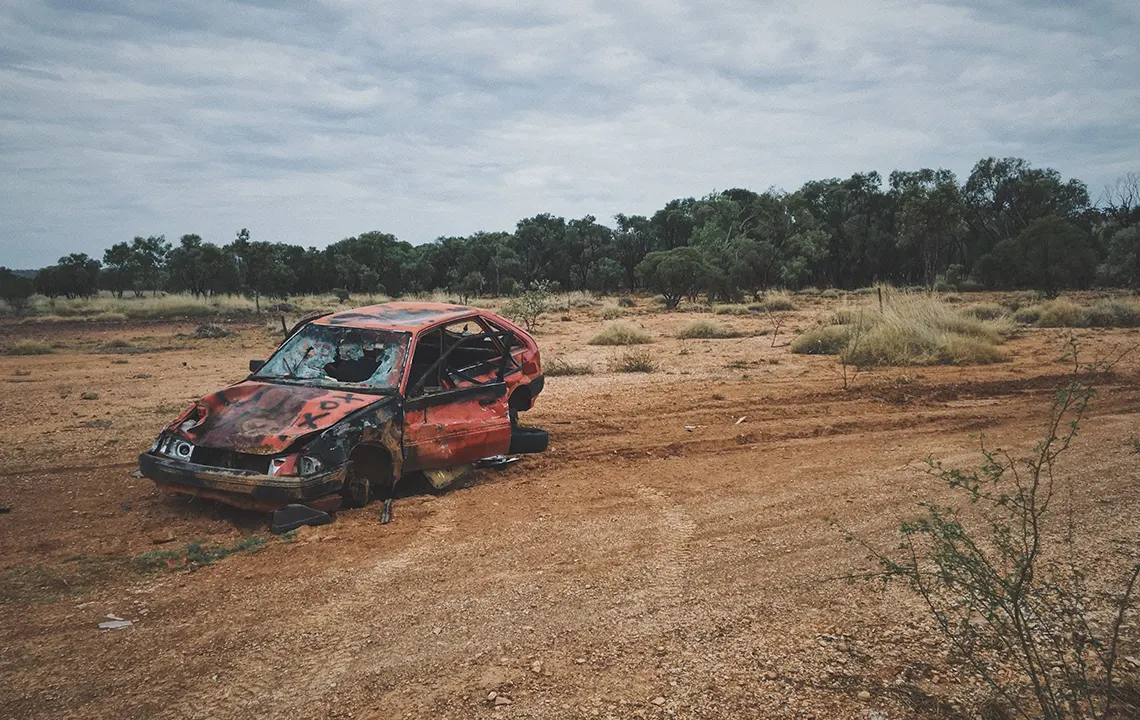
Abandoned cars are a frequent sight in Australia, often found languishing on streets or tucked away in secluded areas, slowly deteriorating. If you’ve never dealt with an abandoned vehicle before, you might be curious about the process involved in handling them. This article will guide you through the steps of identifying, reporting, and resolving issues related to abandoned cars, as well as provide insights into responsible ways to dispose of your vehicle.
When is a Car Considered Abandoned?
Identifying an abandoned car isn’t always straightforward. Just because a car looks unused doesn’t mean it’s been discarded. Various factors and local council regulations determine whether a vehicle is considered abandoned. Here are some general guidelines:
Prolonged Parking
A car that remains stationary on the street for more than two months is typically considered abandoned. However, this period can vary depending on local council regulations. For instance, some councils may consider a car abandoned if it hasn’t moved in a shorter timeframe.
Disuse
Vehicles that appear neglected or inoperable are often deemed abandoned. Signs of disuse include flat tires, broken windows, missing parts, or obvious signs of rust and decay. These cars are not only eyesores but can also pose environmental hazards.
Registration Status
Cars with expired or cancelled registrations left on public roads are prime candidates for being classified as abandoned. Councils regularly check the registration status of parked vehicles, and those with lapsed registrations are often flagged for further investigation.
Local regulations can vary, with some councils allowing cars to remain parked near the owner’s residence indefinitely, while others may have stricter rules. It’s important to familiarize yourself with your local council’s specific guidelines. Vehicles parked on private property, even if unused for years, are typically not considered abandoned.
Reporting a Suspected Abandoned Vehicle
If you suspect a car has been abandoned, you should report it to the local city council. The reporting process usually requires the following information:
- Registration Number: The vehicle’s registration details.
- Vehicle Description: Type, color, make, and model.
- Location: Street name and suburb where the vehicle is located.
- Condition: The state of the vehicle, noting any visible damage or signs of neglect.
Providing a photo can enhance your report by showing the vehicle’s exact location and condition. This visual evidence can assist council officers in identifying and assessing the vehicle more efficiently. A quick online search for “report abandoned car in [city name]” will help you find the appropriate contact details for your local council.
Read More : Scrap Car Market in Australia
What Happens to Abandoned Cars?
Upon receiving a report of an abandoned car, the council follows a systematic process to address the issue:
1. Inspection
The council checks the registration details and may involve the police to determine if the vehicle is stolen or associated with any crime. This step is crucial to ensure that the car hasn’t been involved in illegal activities. If there are no criminal implications, a community officer might inspect the vehicle and attempt to contact the registered owner through various means, such as phone calls, mail, or in-person visits.
2. Notice
If the vehicle is deemed abandoned, a notice is placed on the car, instructing the owner to remove it within a specified timeframe. This period can vary but is typically between a few days to several months, depending on local laws. The notice serves as a formal warning to the owner, giving them an opportunity to reclaim their vehicle.
Larger vehicles or those posing safety hazards may be impounded immediately without prior notice. These could include vehicles blocking emergency access routes, posing a danger to traffic, or being in such poor condition that they represent a public safety risk.
3. Removal
If the owner fails to respond or move the vehicle within the given time, the council will impound the car and tow it to a designated holding facility. This process ensures that the vehicle is no longer a nuisance or hazard to the community.
4. Return
Owners can reclaim their impounded vehicles by proving ownership and paying any associated fees, including towing and storage charges. It’s important for vehicle owners to act quickly to minimize costs and avoid the risk of the car being sold or destroyed.
5. Sale or Disposal
If the vehicle remains unclaimed after a certain period, it may be sold at auction or disposed of. Auctioning abandoned cars is a common practice, providing an opportunity for the council to recoup some of the costs associated with impounding and processing the vehicle. Unsold cars or those deemed unsalvageable are typically sent to wreckers for dismantling and recycling.
Responsible Ways to Dispose of Your Car
Abandoning a car wastes resources and burdens local councils. Instead, consider these alternatives to responsibly dispose of your vehicle:
Sell to Wreckers
Wreckers dismantle cars for spare parts and scrap metal, offering a convenient way to dispose of non-functional vehicles. This option ensures that your car is recycled in an environmentally friendly manner. Car Wreckers often pay for cars based on their weight and the value of their parts, providing you with some financial compensation.
Read More : Scrap Car Removal Hunter
Sell to Dealers or Restorers
If your car is still in good condition, sell it to a dealer or a car restorer who can refurbish it for resale. This option is particularly viable for vehicles that may have high demand in the used car market or have collectible value. Selling to a restorer can also preserve the vehicle’s history and ensure it continues to be enjoyed by future owners.
Final Thoughts
Handling abandoned cars is primarily the responsibility of local councils. If you encounter an abandoned vehicle, report it to them for proper action. This helps maintain the cleanliness and safety of your neighborhood. Conversely, if you need to dispose of a car, explore responsible options that can even yield some financial returns instead of letting it deteriorate on the street.
By understanding the procedures and responsibilities associated with abandoned cars, you can contribute to a more orderly and environmentally conscious community. Whether you’re reporting an abandoned vehicle or looking to dispose of your own, acting responsibly ensures that resources are managed efficiently and public spaces remain safe and attractive for everyone.